简体中文
简体中文

Across Canada, Indigenous entrepreneurship is growing rapidly. Many are led by young entrepreneurs with bold visions of making a positive impact, whether launching cosmetics lines, building technology firms, or creating community-driven services. These businesses are not only thriving at home but also reaching international markets – contributing to Canada’s economy in powerful ways.
However, turning a business idea into a profitable venture takes more than passion and grit. It requires capital, mentorship and the right collaborators. That is where Raven Capital comes in.
Founded in 2018, Raven Capital is the first Indigenous-owned venture capital firm dedicated entirely to supporting Indigenous entrepreneurs. Since its creation, Raven Capital has invested more than $60 million in early-stage Indigenous-owned start-ups, including $15 million in the last year alone. The fund supports First Nations, Inuit and Métis entrepreneurs in Canada, as well as Native American, Alaska Native and Native Hawaiian businesses in the United States.
For many people, venture capital can feel like an unfamiliar concept. Put simply, it is a way for entrepreneurs to raise money for their business and, in turn, venture funds become minority shareholders in those entrepreneurs’ businesses. Beyond money, venture capital firms often provide strategic advice, sit on company boards and connect entrepreneurs with networks that help them scale their business.
For Indigenous entrepreneurs, this type of support can be transformative. Many face barriers to financing and challenges entering the mainstream market. They also may face geographical isolation which limits their access to talent to grow their companies. At the same time, Indigenous businesses bring something powerful to the table: a deep commitment to community, culture and values. Profit matters, but so does retaining Indigenous ownership and ensuring that businesses reflect and express Indigenous values.
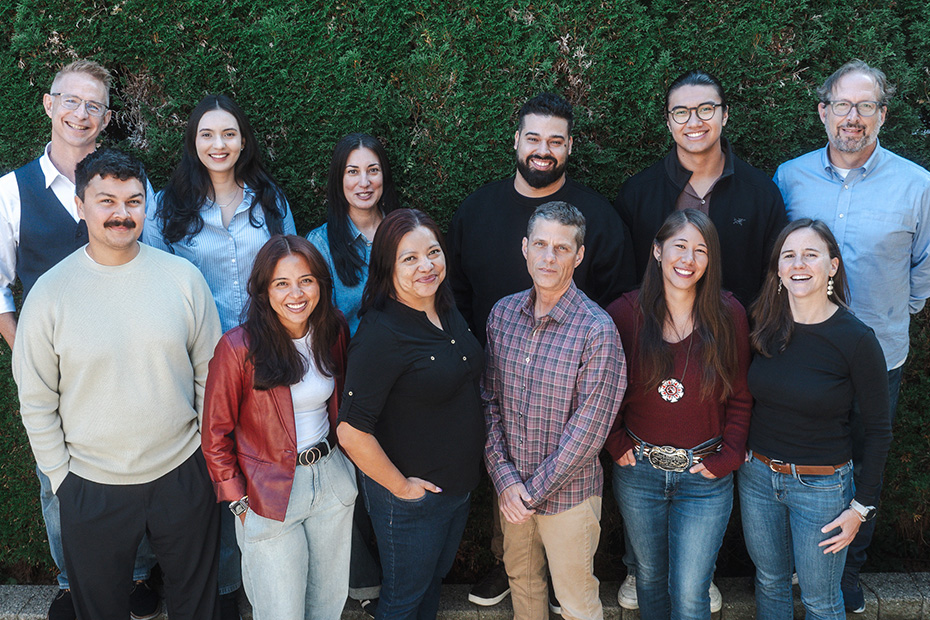
The team behind Raven Capital, North America’s first Indigenous-owned venture capital firm dedicated entirely to supporting Indigenous-owned start-ups.
Raven Capital understands this balance. As an Indigenous-owned firm, it designs its working relationships to prioritize cultural safety while providing the resources entrepreneurs need to grow.
“Indigenous entrepreneurs who want to continue to be majority Indigenous-owned businesses, whether for cultural or commercial reasons, can do so while still accessing equity investment through Raven, as we are an Indigenous-owned firm,” explains Althea Wishloff, a member of the Gitxsan First Nation and General Partner at Raven Capital. This approach ensures that companies can scale their business without losing the spark that makes their business standout.
Raven Capital’s approach goes well beyond writing cheques. The firm builds trust with entrepreneurs by offering education about venture capital, hosting Impact Measurement circles and listening closely to entrepreneur’s priorities. Once investments are made, Raven Capital provides ongoing support by helping with business strategy – connecting companies with experts and bringing founders together at annual retreats to share stories and celebrate successes.
“We stay active in corporate governance, financial and corporate strategy. We also help our companies align with an article within the United Nations Declaration on the Rights of Indigenous Peoples (UNDRIP),” says Wishloff. UNDRIP recognizes Indigenous rights internationally and serves as a foundational pillar in advancing economic reconciliation.
So far, Raven Capital has supported nearly 30 Indigenous companies – from AdvancedAg, a leader in bio-products in the agricultural industry to Animikii, a software company leading national conversations on Ethical AI and Data Sovereignty. Raven’s investments also reflect the rematriation of the Indigenous economy – over 34 per cent of Raven Capital’s portfolio companies in 2024 were led by Indigenous and Native women.
In order to support the resurgence of Indigenous entrepreneurship, Raven Capital needed investment contributors and for RBC the collaboration was a natural fit. “RBC was interested in complementing its Indigenous banking strategy by playing a bigger role in supporting Indigenous-owned businesses and entrepreneurs and ultimately better serving our community,” says Julian Antony, Senior Director, Venture Capital and Private Equity at RBC.
“With RBC making an investment in Raven Indigenous Impact Fund II in 2022, we’ve further unlocked our ability to provide investments to the Indigenous economy,” Wishloff notes. At the time of the original fund launch in 2019 “this concept was relatively new, and Raven is excited to see the growth in the eco-system.”
Hunter Michael, Manager of Strategic Initiatives Origins team and a proud member of Beardy’s & Okemasis First Nation, recognized the collaboration as reflecting a significant shift. “Historically, Indigenous organizations and people haven’t really participated in this space and Raven Capital broke new ground as a trailblazer. As we continue to build out this Indigenous capital fund strategy, RBC will look at how we can better support the fund and the portfolio companies.”
The momentum of Indigenous entrepreneurship shows no signs of slowing down. As more businesses launch with a focus on cultural identity, community well-being and global impact, they will continue to need supporters who understand their visions. The collaboration between RBC and Raven Capital offers a powerful example of how this support can work. By preserving Indigenous control while opening doors to capital and expertise, Raven Capital and RBC are proving that when Indigenous values and business innovation work hand in hand, the results are transformative.
This article offers general information only and is not intended as legal, financial or other professional advice. A professional advisor should be consulted regarding your specific situation. While information presented is believed to be factual and current, its accuracy is not guaranteed and it should not be regarded as a complete analysis of the subject matter discussed. All expressions of opinion reflect the judgment of the author(s) as of the date of publication and are subject to change. No endorsement of any third parties or their advice, opinions, information, products or services is expressly given or implied by Royal Bank of Canada or its affiliates.