简体中文
简体中文
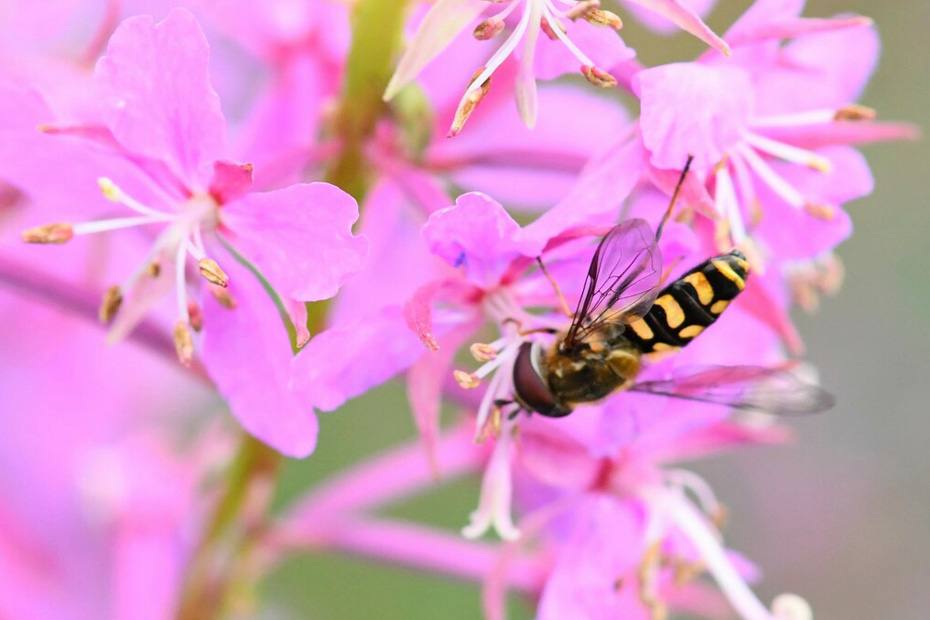
“They discovered a new butterfly species, now being named in honour of the youth who collected it, called Colias boothii siaja,” explains Dr. Amélie Grégoire Taillefer, Entomologist and Coordinator of the Nunavik Sentinels Program. This remarkable scientific achievement wasn’t made by seasoned researchers, but in the northern landscape of Québec by Siaja Parceaud-May, an Inuk youth in Kuujjuaq. She, alongside many others, are the frontline observers of climate change, helping transform climate science one insect at a time.
As national conversations around climate change and biodiversity protection grow louder, some of nature’s smallest creatures—the insects—often go overlooked. Yet, these tiny animals are among the most responsive indicators of environmental change. Their short life cycles and sensitivity to snow depth, temperature, and seasonal shifts make them powerful signals of what is happening on the land.
For years, little was known about insect populations in Canada’s North, particularly in regions north of the 52nd parallel. That is changing, thanks to a growing movement of Cree and Inuit youth who are combining traditional knowledge with Western science to lead entomological research in their homelands.
Launched in 2014, the Nunavik Sentinels research and education program is a groundbreaking initiative that encourages youth in Nunavik, Québec; Eeyou Istchee, Québec; and Nunatsiavut, Newfoundland, and Labrador to explore entomology—the study of insects—through culturally grounded, hands-on learning. At its heart, the program is about empowering youth to become observers, protectors, and storytellers of their land’s biodiversity.
“The goal of the program is really to accompany, empower, and connect youth in discovering and protecting the biodiversity of their ancestral territories,” says Dr. Grégoire Taillefer. Launched by Dr. Maxim Larrivée, Director of the Montréal Insectarium – Espace pour la vie, and Elise Rioux-Paquette of the Kativik Regional Government, the program is a unique blend of land-based education, scientific research, and community collaboration.
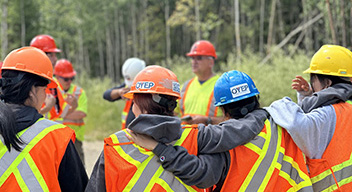
Each year, the program hosts educational activities in schools and training land-based camps, offering Indigenous youth aged 12 to 30 the chance to explore the beauty of the insect world, insect identification, collection techniques, species morphology, and important ecological roles played by different species. So far, over 1,000 youth have taken part in these sessions.
What makes the Nunavik Sentinels Program powerful is its deep integration of traditional Indigenous knowledge. “Elders and wardens share their knowledge with the youth through stories and techniques they use while being on the land, what they know about insects and how they’ve seen them change over the years,” expresses Dr. Grégoire Taillefer.
In many northern Indigenous communities, science-based job opportunities for youth are limited. The Nunavik Sentinels Program addresses this gap by offering paid summer employment to youth, who are trained to monitor insect populations in their home regions. These youth researchers are known as Sentinels—a name that reflects their role as watchful stewards of their environment. Since its inception, 34 youth have been hired as Sentinels in 10 Northern communities, with many going on to become peer mentors and some are now paving the way as future researchers.
The data collected by the youth is instrumental in monitoring a vast area that is changing rapidly to study comprehensively. Enabling to anticipate, prepare for and adapt to environmental change. Once collected, the data is analyzed by the Montréal Insectarium and returned to the communities for their use.
“There have been many discoveries of new or previously unrecorded insect species, such as butterflies and ladybugs—none of which would have been possible without the youth,” Dr. Grégoire Taillefer emphasis. “Through this program, youth become guardians of the entomological diversity in their region which prepares them to respond to the impacts of climate change.”
Language revitalization is also woven into the program. Where possible, training documents are offered in Cree and Inuktitut to strengthen cultural identity and deepen connections to the land.
Outside of the formal programming, the program partners with Indigenous organizations and research institutions, such as Kangiqsujuaq’s Pingualuit Interpretation Centre, Chisasibi Eeyou Resource and Research Institute Center, Imalirijiit Program in Kangiqsualujjuaq and Nunavik Parks, creating a strong foundation of collaboration and shared purpose.
For RBC, supporting the Nunavik Sentinels Program was a natural fit. “This initiative brings together everything RBC stands for,” notes Mario Di Bernardo, Regional Vice-President. It supports Indigenous youth, biodiversity, climate, and education.”
RBC is proud to continue supporting the program and has committed $750,000 over the next few years to support the program’s growth, a testament to the impact it’s having on everyone involved. As Mario reflects, “We’ve seen it grow from one to three communities and we’re just getting started. This program is more than science. It’s about giving youth the tools to shape the future of their communities.”
Dr. Grégoire Taillefer reflects on the outcomes of the program for youth. “They come away with new scientific knowledge, job skills, and a deeper appreciation for the small things that run the world,” she explains. “They also learn that we can’t live without insects.”
In a time when the effects of climate change are accelerating and uncertain, especially in northern and remote regions, the Nunavik Sentinels are not only observing the changes, but they are also leading the way forward and giving communities and scientists the answers they need.
This article offers general information only and is not intended as legal, financial or other professional advice. A professional advisor should be consulted regarding your specific situation. While information presented is believed to be factual and current, its accuracy is not guaranteed and it should not be regarded as a complete analysis of the subject matter discussed. All expressions of opinion reflect the judgment of the author(s) as of the date of publication and are subject to change. No endorsement of any third parties or their advice, opinions, information, products or services is expressly given or implied by Royal Bank of Canada or its affiliates.