简体中文
简体中文
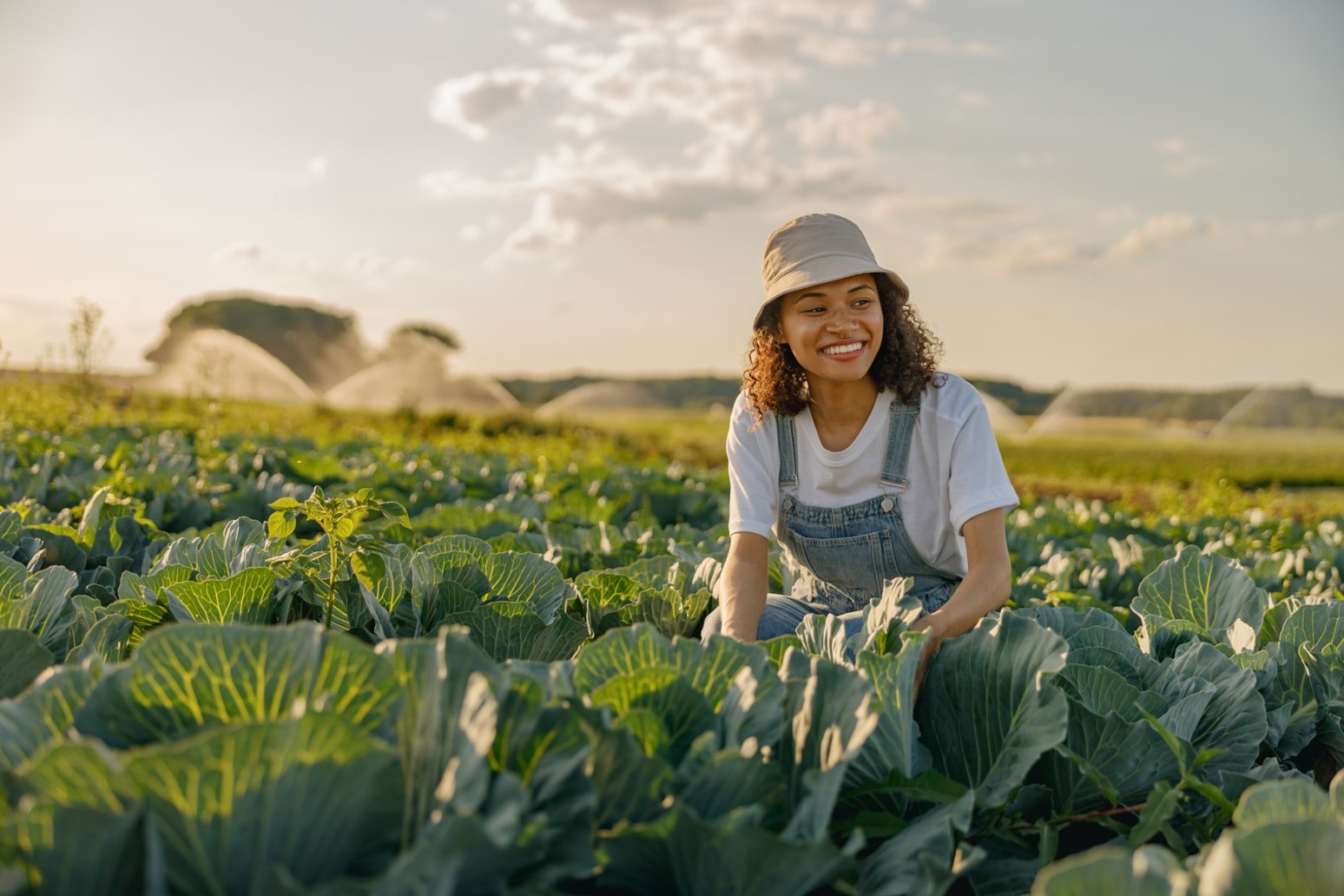
RBC is proud to support a broad range of community initiatives through donations, community investments and employee volunteer activities. See how at rbc.com/peopleandplanet.
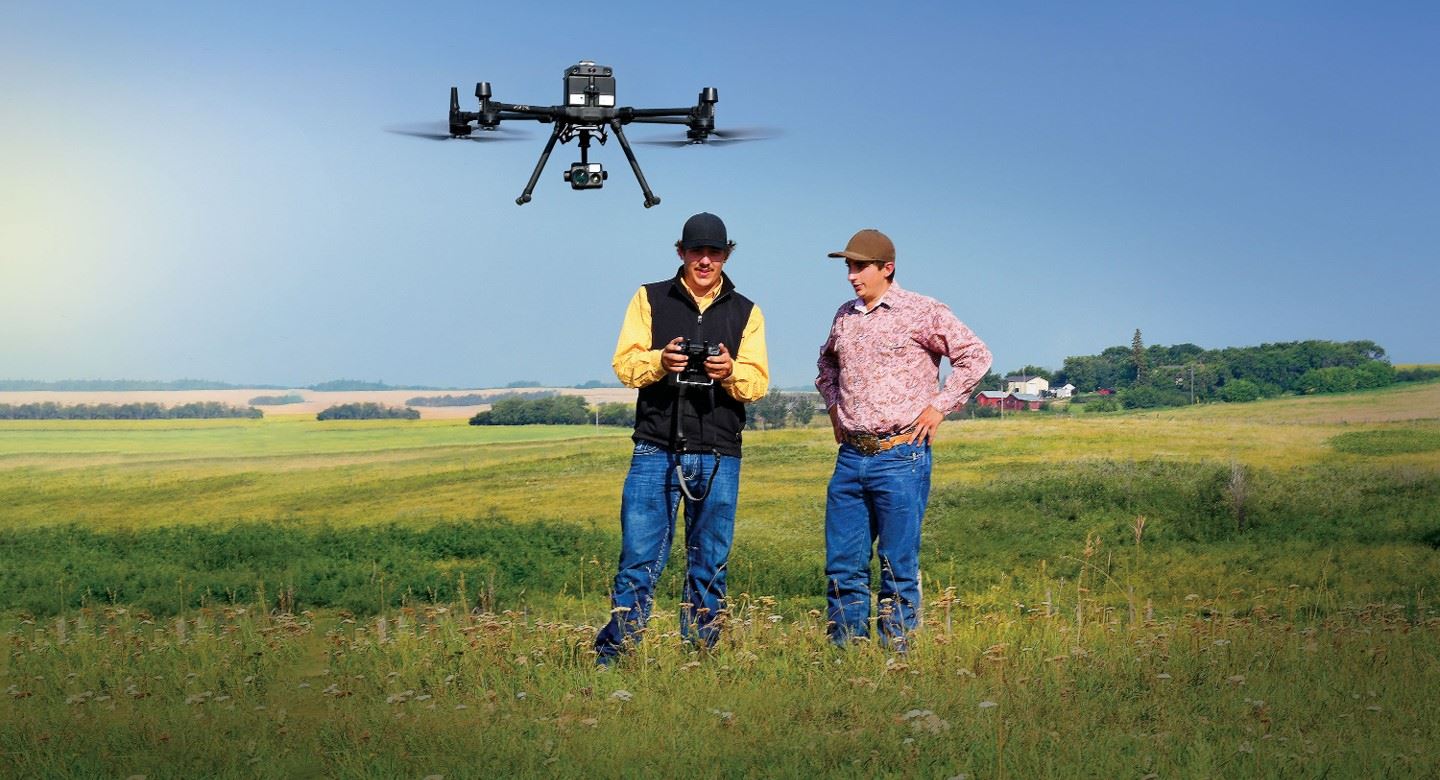
For generations, Canada’s farmers have managed the land to feed people in this country and around the globe. With productive soils, a temperate climate and advanced mechanization, our agricultural sector has what it takes to be one of the best in the world.
However, the sector faces challenges that must be overcome if we are to continue as a global leader in environmentally sustainable, high-quality agri-food production.
These are the conclusions from The Next Generation of Growth: Cultivating a new crop of agriculture talent and innovators, published October 2025 by RBC Thought Leadership.
Challenges are opportunities
“The agriculture sector’s biggest challenges are also its biggest opportunities: productivity, talent, environmental sustainability,” says Lisa Ashton, Director of Agriculture Policy, RBC Thought Leadership, and co-author of the report.
The report notes that productivity has steadily declined in recent years, as has investment in research and design (R&D), which is needed to keep developing technological innovations that boost production. We also need to attract more diverse, high-quality talent to the sector to bring the range of advanced skills required to stay competitive in today’s automated food production industry. And preserving the ability to nourish future generations by building an environmentally sustainable sector is also key.
RBC believes with the right investment and innovation, Canada can make agri-food an important growth sector — leading in global trade, attracting new talent, and advancing environmentally sustainable agriculture solutions.
RBC is contributing to the sector with a dedicated agriculture program that includes thought leadership, resources, and support from RBC and RBC Foundation.
The need for environmental sustainability
Under the RBC Climate Blueprint, our goal is to be the bank of choice for the transition to a low-carbon and resilient economy by supporting clients across sectors in their transition, while focusing first on the areas that we believe present the greatest opportunities and risks.
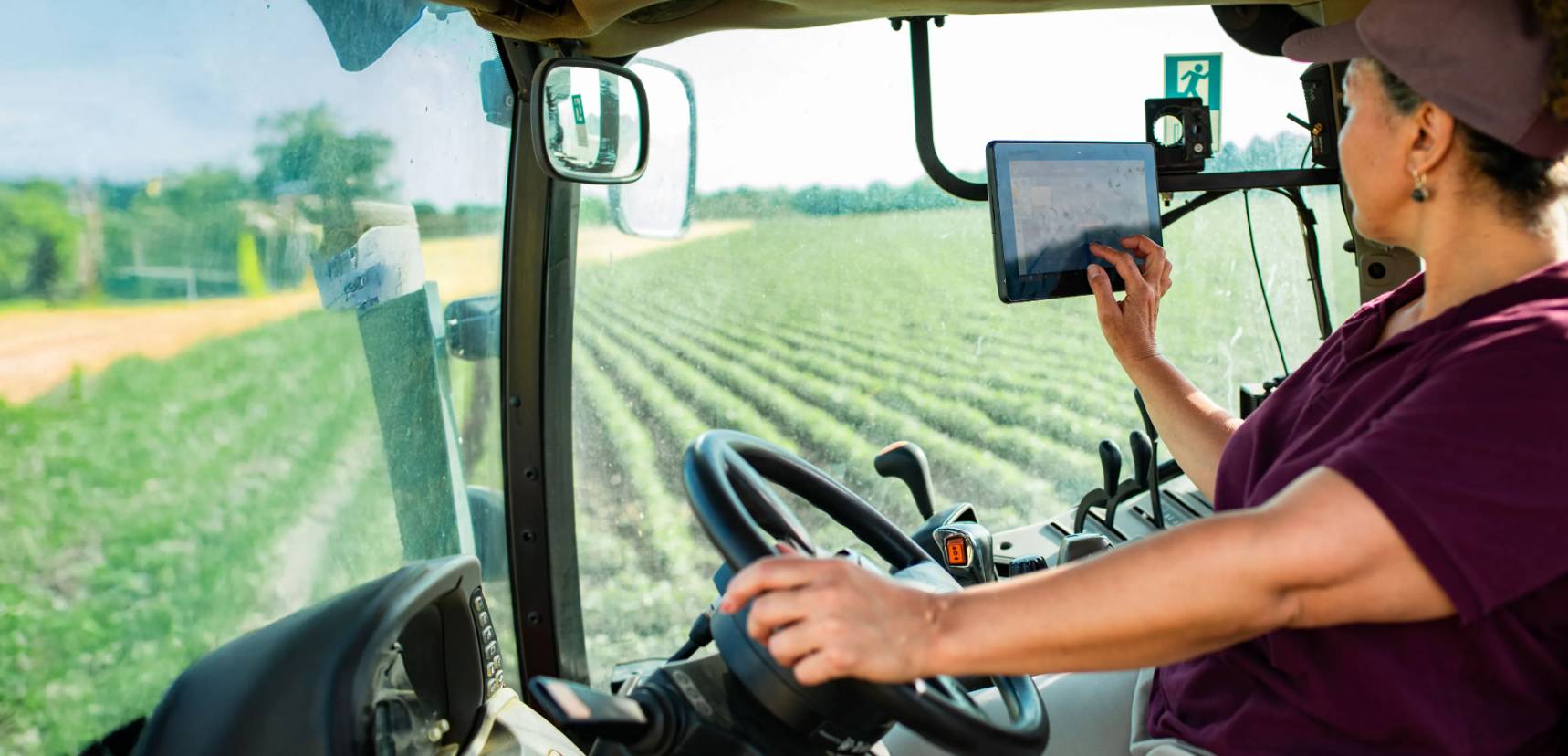
Canada’s agriculture and food systems is one of those areas. The sector produces just over 10% of the national greenhouse gas emissions annually, and there is demand for the sector to produce more as the world’s population increases to roughly 10 billion people by 2050. By engaging technological and management solutions (such as regenerative agriculture and precision technology) and mobilizing finance and policy to support farmers, Canada can work towards reducing potential 2050 emissions.
On the verge of a massive shift
The sector is struggling to maintain its work force and desperately needs to acquire new workers. Job vacancy rates in the sector are on average 1.5% higher than the national rates, and it’s estimated that the labour gap will only grow, especially when a significant portion of Canadian farmers reach retirement age by 2033. This generational shift will only deepen the need.
We also need to attract the right mix of talent. Today’s industry requires diverse skills to fully realize the potential of the technological revolution that’s already underway. Engineers, data scientists, marketers, business administrators all play crucial roles. However, many people with these skills are unaware that they have a role to play in the industry. As a result, few young people studying in these fields consider the agriculture sector as a career choice.

Lost R&D opportunities
In recent decades, Canadian agri-food R&D has sparked important crop innovations, including canola, which is now one of the most important oilseed crops in the world. But dwindling investment in R&D and roadblocks have led startups and multinational agribusinesses to leave Canada for greener pastures in other countries.
5 Canadian agricultural innovations
- Spartan apples
- Marquis wheat
- Canola
- Yukon Gold potatoes
- Shepody (French fry) potatoes
Source: https://canadiangeographic.ca/articles/made-in-canada-plants/
In this environment, the prospect of developing strong innovation hubs — collaborations between academic institutions, businesses and governments to facilitate the innovation cycle — is also deteriorating.

Providing keys to unlock a complex puzzle
We need to raise the profile of Canada’s agriculture sector as a viable and desirable place to innovate. This would attract investment and encourage young Canadians to enter the field — both of which would provide a jolt of innovation that would promote production and environmental sustainability.
RBC is helping to cultivate the next generation of Canadian farming with a new initiative launched in October 2025. This program aims to strengthen the agricultural sector by bringing together people from across agriculture, business, industry, education, and government and by providing tools and resources to encourage environmentally sustainable agriculture that feeds Canadians more affordably and sells high quality products to consumers around the globe.
The initiative was launched with an initial $5-million, five-year commitment to agriculture in the Prairies, with the intention to expand as part of a national movement to help Canadian producers thrive while helping advance environmentally sustainable practices for years to come. Programs will be delivered through Nature United and Sustainable Food Systems for Canada (SF4C).
Initiatives will be focused on three areas: markets, skills, and finance, and will include:
- Supporting the adoption of farmer-led sustainable practices across the Prairies in collaboration with Nature United’s Model Farm Network
- Investing in stronger markets for sustainable agriculture by connecting farmers to global demand
- Providing applied learning opportunities and training
- Collaborating with the SF4C network of 13 universities and colleges to contribute to connecting more than 10,000 students to agri-innovation skills and training opportunities
- Investing in new financial tools, products and understanding to help the industry bridge the risks to transformative growth
- Upskilling RBC’s commercial relationship managers and finance specialists to better serve Canada’s farmers and the agriculture industry
- Delivering tailored events for farmers and their advisors to offer skills, training and network opportunities
- Strengthening farm succession with holistic wealth, estate and business planning expertise
“RBC is committed to work together with the best and brightest from all over the country to create innovations that help agriculture drive growth for Canada,” says Dave McKay, President & CEO, RBC.
Getting the word out to young people
Many people outside of the sector have limited exposure to innovation in agriculture as Canada’s farm population makes up only 1.6% of Canada’s total population. As a result, most young people don’t consider agriculture as a career choice. (It has the second-lowest enrollment in Canadian post-secondary fields of study.)
RBC is finding opportunities to expose young people to the possibilities. The Royal Agricultural Winter Fair (“the Royal”), an annual event that brings the country to the city each fall in Toronto, is a great opportunity to introduce Canadians to the agriculture sector.
The Growth Hub Stage presented by RBC is a platform to educate people about the challenges, opportunities and exciting innovations in the sector. It also exposes students to the diverse array of career possibilities within agri-food. “To see them engaged, ask a question, get a response from a farmer or industry expert — these are moments that will pay dividends down the road,” says Julian Brown, Director, Agriculture and Education at The Royal Agricultural Winter Fair. “That’s potentially a kid who’s never thought about agriculture as a career and may now be curious about that path.”
The Growth Hub Stage spotlights innovative stories through keynote speakers, panel discussions, skill-building workshops, and networking opportunities, with a range of diverse agri-food topics like robotics, AI, and STEM in agriculture, food innovation, indoor farming, and career opportunities.
Julian notes that he’s observed that young people are really interested in stewardship and sustainability. “They’re looking to the future and saying, ‘what’s the future we want, and how do we build it? How do we manage the land and the food systems and use technology and put safeguards in place.’ With our partners like RBC and the Growth Hub Stage, we help give them the knowledge base and vocabulary to ask and reflect on those kinds of questions and be an active participant in their future.”
Nurturing the next generation
“The next generation is primed to do even more – feeding more people, more sustainably than ever before,” says Dave McKay. By providing the tools, resources, and financial support to attract diverse, high-quality talent to the sector, and by providing programming that supports innovation and environmental sustainability, RBC will help drive the growth of the agriculture sector in Canada.
To learn more, read the RBC report, The Next Generation of Growth: Cultivating a new crop of agriculture talent and innovators
This article offers general information only and is not intended as legal, financial or other professional advice. A professional advisor should be consulted regarding your specific situation. While information presented is believed to be factual and current, its accuracy is not guaranteed and it should not be regarded as a complete analysis of the subject matter discussed. All expressions of opinion reflect the judgment of the author(s) as of the date of publication and are subject to change. No endorsement of any third parties or their advice, opinions, information, products or services is expressly given or implied by Royal Bank of Canada or its affiliates.