简体中文
简体中文
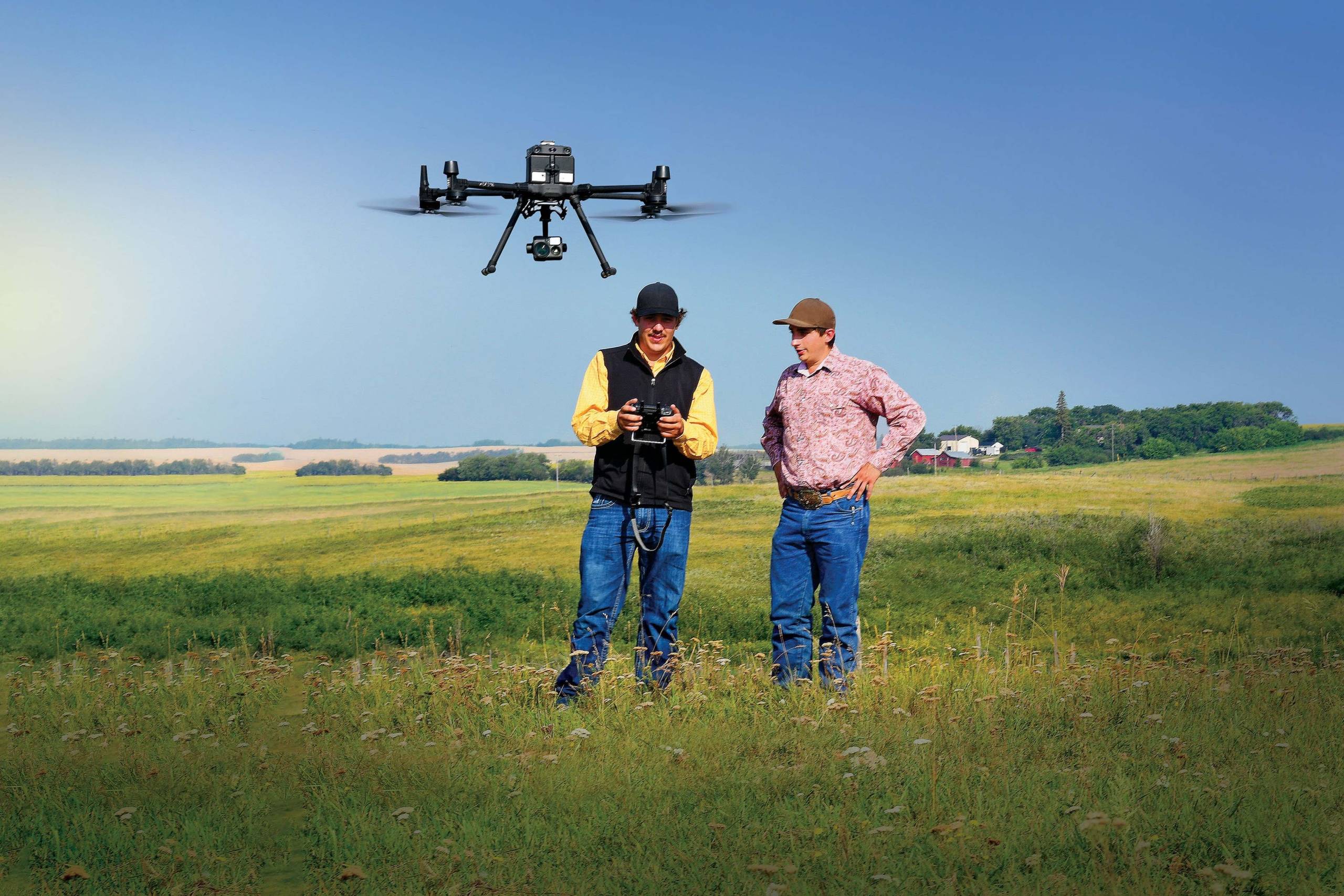
Few Canadians have spent as much time thinking about growing food in challenging environments as Jamie Jackman.
In Labrador, where growing seasons are short and travel costs high, the future of farming is taking root through screens, smartphones, and a digital community breaking down barriers to local food production.
Jackman, who is a program coordinator at Memorial University’s Pye Centre for Northern Boreal Food Systems, recently received the King Charles III Coronation Medal for his collaborative approach to sustainability in Labrador – but his real reward is watching northern communities embrace new possibilities.
“To me, collaboration means not only working with producers and communities in the north, but also with budding technologists,” said Jackman. “As we venture down a digital path of sharing what it’s like to grow food in the North, we hope that young people interested in technology will find opportunities at the Pye Centre to help us because technology – and a comfort level with technology – is an important part of our agricultural future.”
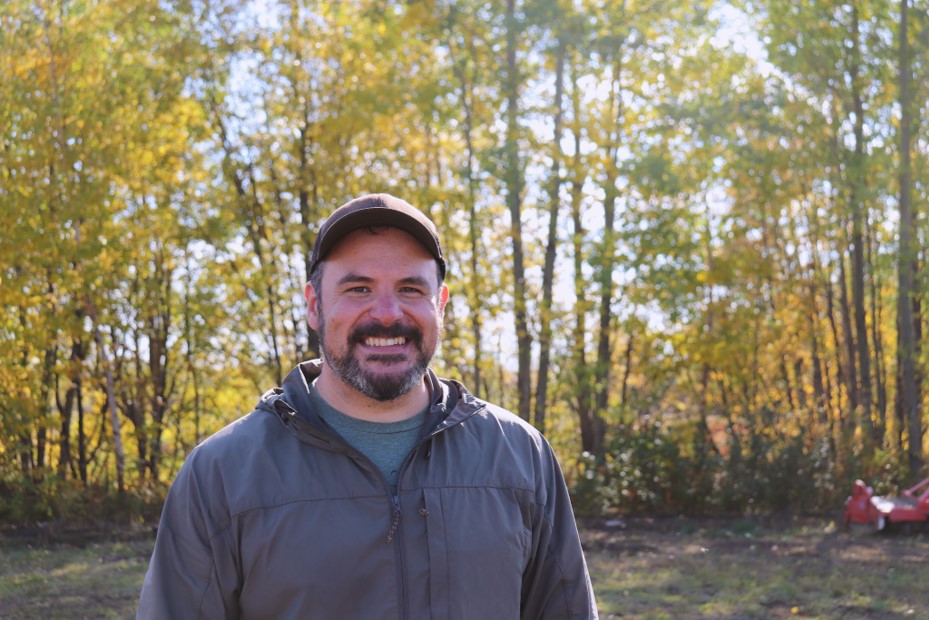 Jamie Jackman, program coordinator at Memorial University’s Pye Centre for Northern Boreal Food Systems: “Creating farming and gardening content with high quality video and audio, specific to our Northern and subarctic climates will be revolutionary for our region.”
Jackman’s efforts got a big boost recently thanks to an $800,000 donation from RBC Foundation to develop a largely digital initiative at Memorial University called Nourish the North. The goal of Nourish the North is to increase engagement toward a richer online community of local food scientists, knowledge holders, farmers, and gardeners.
“Living and farming in the north is constrained by high travel costs, which makes in-person connection and hands-on learning difficult,” said Jackman. “The Nourish the North digital platform will allow us to record and document our activities in an entirely different way that is accessible to everyone, from starting seedlings in spring to harvesting in the fall.”
“It may sound simple but creating farming and gardening content with high quality video and audio, specific to our Northern and subarctic climates will be revolutionary for our region.”
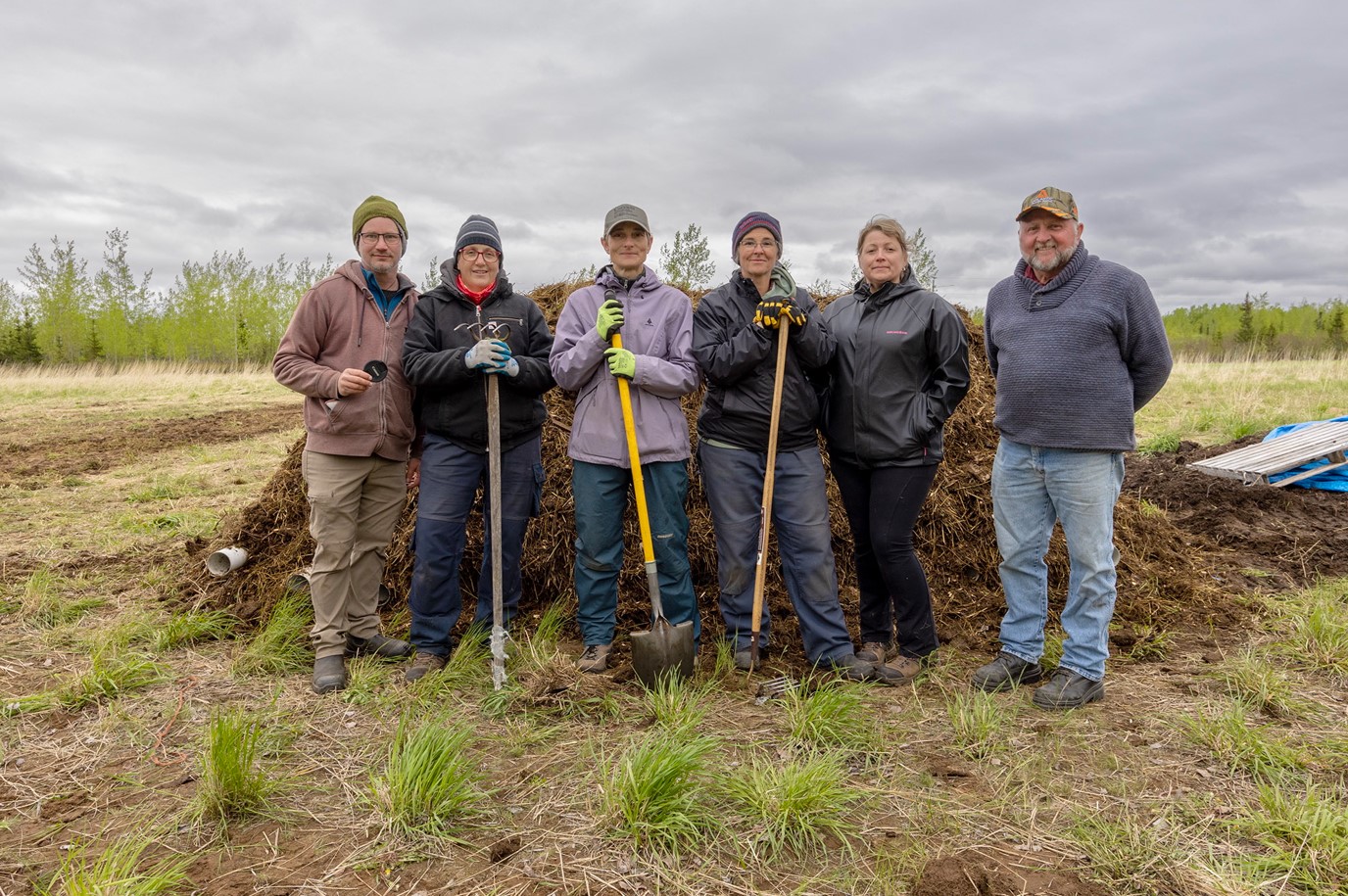 Agriculture and Agrifoods Canada Scientists test compost methods using locally sourced byproducts at Memorial University’s Pye Centre for Northern Boreal Food Systems in Labrador. The Pye Centre’s new Nourish the North initiative will use digital technology to make local best practices more accessible
Support for the Nourish the North initiative is part of RBC, RBC Foundation and RBC Foundation USA’s commitment to providing $2 billion in community investment by 2035 which includes comprehensive, forward-looking support for the agricultural sector. As one of Canada’s largest corporate donors, RBC is working with thousands of charities and not for profits to help strengthen communities across Canada and beyond.
“Canada’s agriculture sector stands at a critical crossroads,” says Andrea Barrack, Senior Vice President, Sustainability and Impact, RBC. “Environmental pressures, talent shortages, and an aging farmer population mean we need to act now. That’s why RBC and RBC Foundation are supporting the next generation of farmers and food producers by funding programs that give students the real-world training, tools and technology they need to innovate and help feed Canada in the future.”
A recent RBC Thought Leadership report shows that less than 1% of STEM and business graduates, who play increasingly important roles on the modern farm, are choosing occupations in agriculture. Working with universities and colleges across the country to create opportunities for agriculture students and early-career producers to gain experiences, skills, and knowledge is an important part of addressing that gap in the labour force.
Recent areas of RBC and RBC Foundation support include courses on agricultural business strategy and sustainability at no cost, such as the Foundations in Agricultural Management program at the University of Guelph, and a Controlled Environment Agriculture and vertical farming program at Olds College in Alberta.
Assiniboine Community College’s Horticultural Certificate program (Manitoba), the Bachelor of Agriculture Technology program at Lakeland College (Alberta) and the ClearWater Futures Foundation Agri-preneur initiative (Ontario), which is focused on regenerative Farm Skills Development, are also receiving support.
According to Lorna McKercher, National Director Agriculture Strategy at RBC, the support is the continuation of a long and focused collaboration within the sector. Last October, RBC and RBC Foundation committed $5 million to work alongside farmers, co-creating the tools, training, and financial solutions needed to strengthen Canadian agriculture for generations to come.
“Since 1967, RBC has supported the agriculture sector through specialized teams and advisors working directly with farms and ranches across the country, said McKercher. “We recognize that strengthening agriculture also means investing in people. Through strategic partnerships, research initiatives, and collaborative innovation across our networks, we’re committed to helping the sector build the skills and expertise needed to tackle today’s agricultural challenges and secure a prosperous future for Canada.”
This article offers general information only and is not intended as legal, financial or other professional advice. A professional advisor should be consulted regarding your specific situation. While information presented is believed to be factual and current, its accuracy is not guaranteed and it should not be regarded as a complete analysis of the subject matter discussed. All expressions of opinion reflect the judgment of the author(s) as of the date of publication and are subject to change. No endorsement of any third parties or their advice, opinions, information, products or services is expressly given or implied by Royal Bank of Canada or its affiliates.