简体中文
简体中文
TLDR:
- Critical metals are a key element in the transition to renewable energy – but supply is limited, and traditional extraction processes have significant negative environmental impact.
- pH7 has introduced a cutting-edge closed loop solution that extracts metals in an environmentally and economically sustainable manner, helping to close the gap in supply.
- RBC supports pH7 with funding, tailored financial solutions and strategic networking opportunities to help them transition to a low-carbon and resilient economy.
- pH7 hopes to inspire other entrepreneurs, demonstrating that environmental sustainability and profitability can co-exist.
Cleaner air, a healthy environment and a strong economy – this is Canada’s vision for the future. Achieving this vision isn’t impossible, but significant challenges remain, including two critical obstacles: the limited supply of critical metals, which are essential to the transition to renewable energy, and the environmental impact involved in extracting them through traditional smelting and mining practices.
pH7 Technologies, a Vancouver-based cleantech company, is tackling both issues by increasing the supply of critical metals through a more environmentally sustainable extraction process that uses far less water than traditional extraction practices and significantly reduces greenhouse gas (GHG) emissions.
Supported by RBC’s funding, networks and financial solutions, pH7 is driving innovation toward a more environmentally sustainable future.
The big challenge
Canada’s journey to a low-carbon economy relies heavily on our transitioning to the use of lower-carbon, renewable energy. Key metals are needed to advance the technologies for this energy transition. However, current metal refinement processes are both carbon-intensive and overly reliant on water, chemicals and energy.

Case in point: Critical metals are used in everything from energy-efficient appliances to wind turbines to electric vehicles. Demand for these metals is surging, yet supply is already constrained. As Dan Parmar, Chief Financial Officer of pH7 cites, by 2035, it’s estimated there will be more than a $100 billion supply deficit.
“One of the major challenges the energy transition is facing is the shortage of critical metals like copper, lithium, rhodium, palladium, platinum and cobalt,” adds Mohammad Doostmohammadi, pH7’s founder and Chief Executive Officer. “All of these will be in deficit for the next decade, and closing this gap will require new technologies and innovation. We aim not only to address this gap but to do so sustainably.”
Traditional metal extraction methods, such as smelting, pose significant environmental concerns. “Smelting has been practiced for thousands of years,” says Doostmohammadi. “It involves burning and melting rocks, consuming vast amounts of energy and producing nitrogen oxides (NOx) and sulfur oxides (SOx) – major pollutants from fossil fuel combustion. Additionally, it generates considerable wastewater.”
Fortunately, there’s room for improvement. “We can create innovative processes to reduce greenhouse gas (GHG) emissions and environmental impact,” says Doostmohammadi. “We do this through practicing closed-loop metal extraction processes where we can increase the supply of critical metals for energy transition while eliminating direct GHG emissions, wastewater and minimizing the water consumption in metal extraction.”
How pH7 is solving the problem
Instead of extracting minerals from rocks through traditional smelting processes, pH7’s innovative closed-loop process recycles a mine’s chemistry and water repeatedly to recover metals.
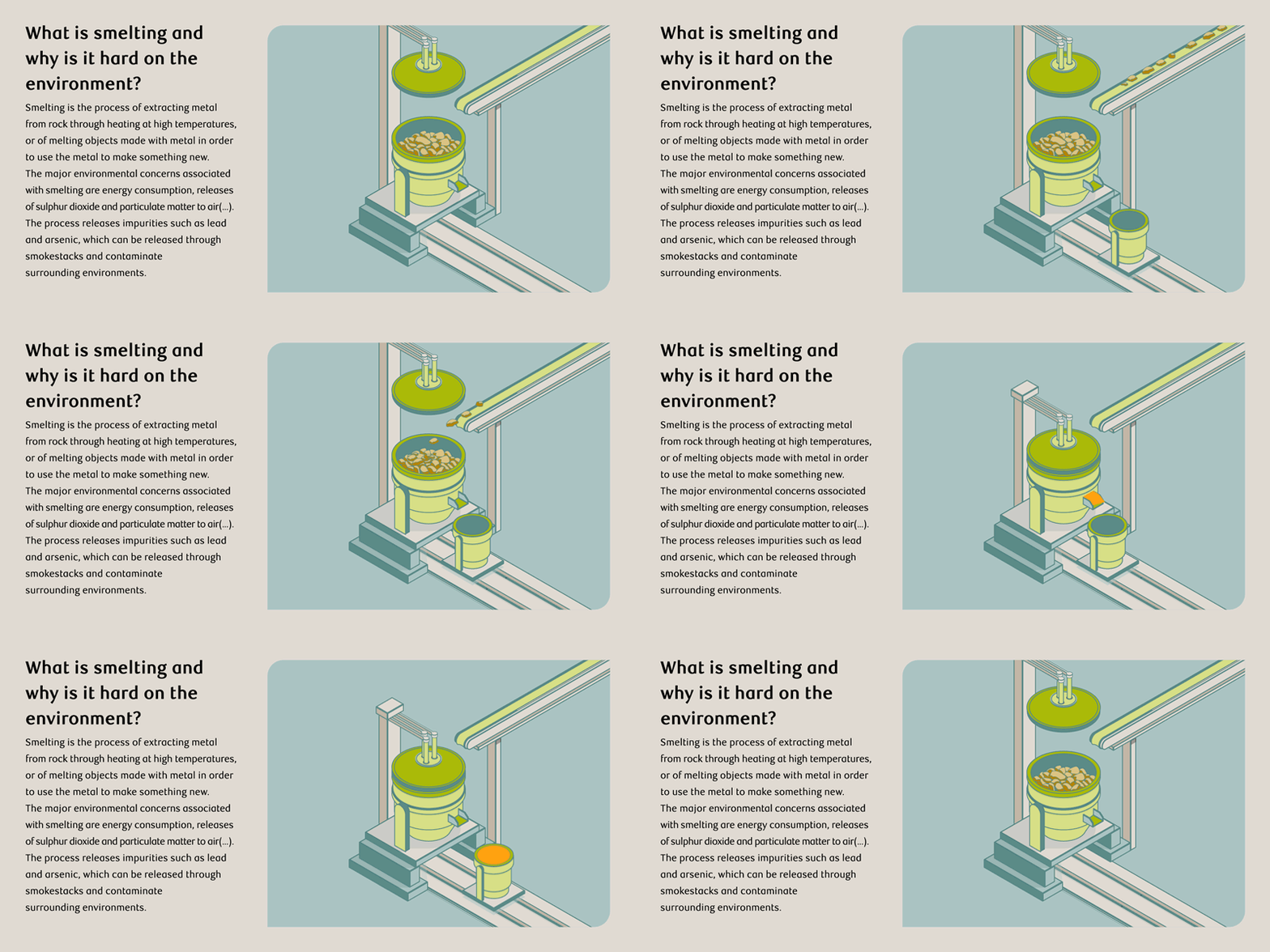
pH7’s process uses electricity as the fuel source to extract metals through chemical reactions. This process doesn’t consume the chemicals however – instead of being used up, the chemicals shift between neutral and oxidizing states through organo-electrochemical reactions, dissolving metals into the solvent. Since the solvent only hosts the reaction, both the chemicals and the solvent can be reused over and over again, without generating any wastewater or effluent.
The process offers numerous economic and environmental benefits:
- Increased supply: By introducing a more efficient extraction process and extracting metals from previously unextractable sources.
- Reduced water consumption and waste: Minimizing water consumption and wastewater to process raw materials.
- Lower energy consumption: Unlike smelting, there’s no burning or melting.
- Reduced GHG emissions: Eliminating the need for burning fossil fuels through smelting.
- Localized supply chain: Implementing the process in Canada ensures a reliable domestic supply of critical metals, and reduces the movement of materials across borders, dramatically reducing shipping costs.
- Global scalability: The technology is modular and be readily scaled to address supply challenges in mines worldwide.
“Our innovative extraction technology also enables the circular economy by giving end-of-life materials a second life,” adds Doostmohammadi. Adds Parmar: “Our technology is unique because it’s cost-effective and achieves the recovery rates necessary for economic viability.”
First focus: Platinum Group Metals (PGMs)
Platinum Group Metals (PGMs) are among the rarest and most valuable metals, with applications in jewelry, automobiles, Oil and Gas catalytic converters and the chemical and pharmaceutical industries. “PGMs are vital because they break down toxic gases into non-toxic ones and play critical roles in industries like oil and gas,” says Doostmohammadi. As key materials in auto catalysts, PGMs reduce harmful tailpipe emissions from cars, buses, and trucks, thereby contributing to cleaner air.
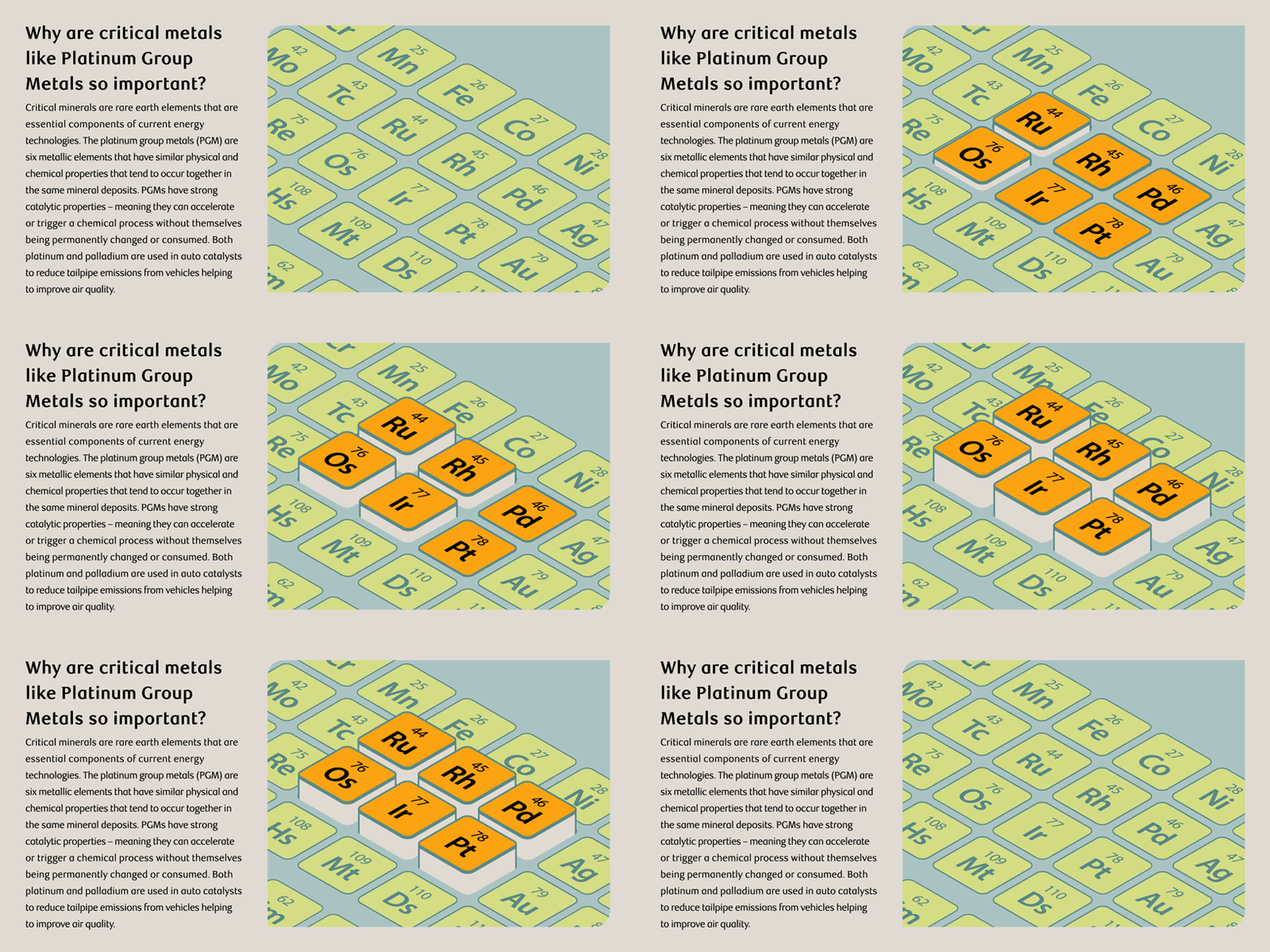
Recycling PGMs is crucial due to their finite supply. “At pH7, we extract these rare metals from industrial and automobile catalysts, reintroducing them into the circular economy,” Doostmohammadi explains.
PGMs are also central to hydrogen technology. “Hydrogen is key to replacing fossil fuels and achieving Canada’s net-zero emissions goals by 2050,” says Doostmohammadi. “Without PGMs, this transition would be impossible.”
Collaboration with RBC
RBC believes that in order to support the transition a low-carbon and resilient economy it will need to help foster innovative client ideas like those of pH7, to address critical challenges in an environmentally sustainable way. That’s why RBC supported pH7 with funding, networks, and specialized financial solutions through RBCx, it’s tech start up division.
“pH7’s goals complement RBC’s vision of sustainable and economically viable practices,” says Doostmohammadi.
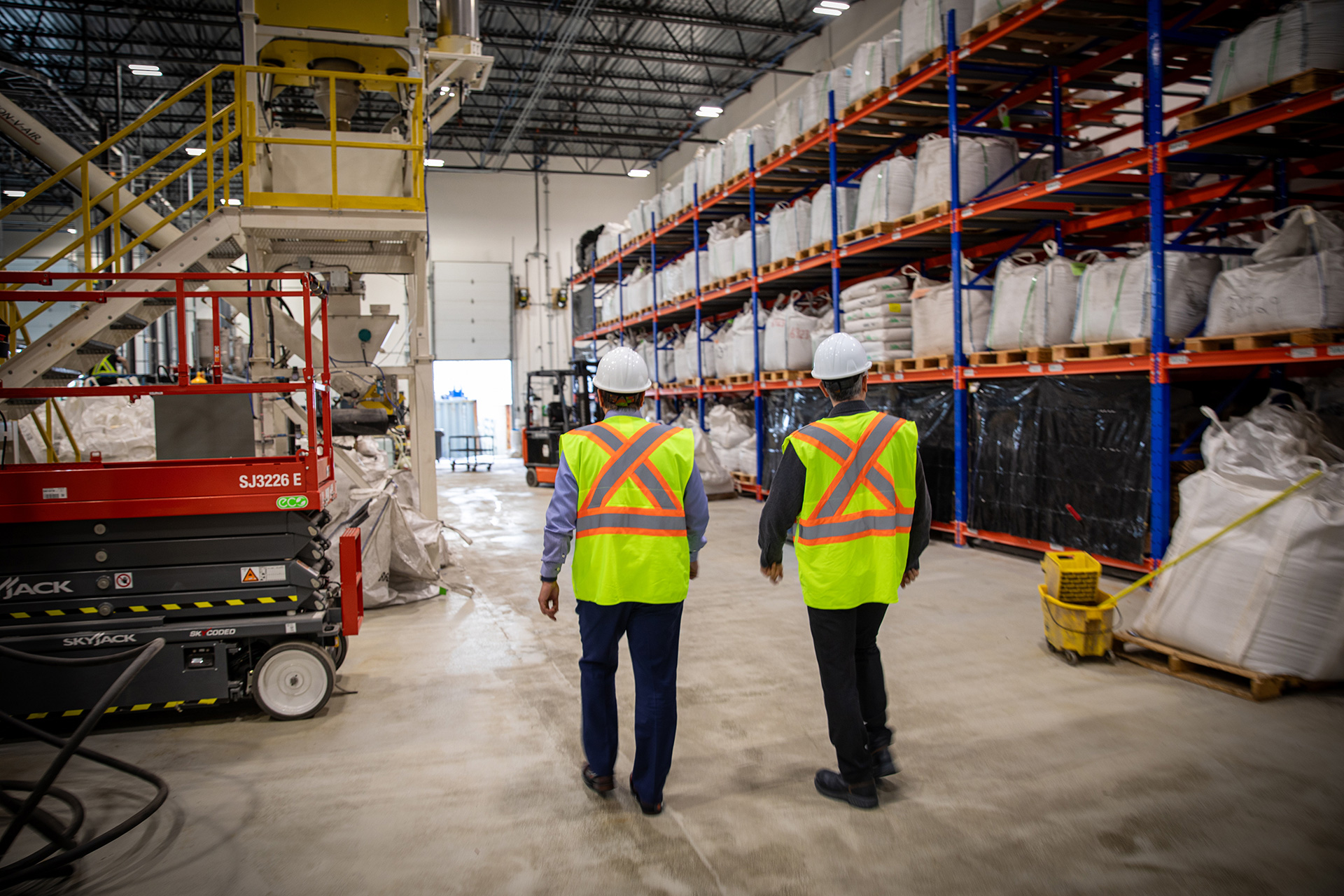
This partnership has been instrumental in pH7’s growth. “Venture debt has been crucial for commissioning our demonstration plant, a milestone that attracted further investment and supported our global expansion,” explains Parmar. The demonstration plant not only validates pH7’s technology but also showcases its scalability to potential investors and partners.
Beyond funding, RBCx’s networking events have been invaluable. “These events connect us with entrepreneurs, helping us share ideas and overcome growth challenges,” says Parmar. “RBC understands what high-tech businesses need to succeed and has provided the tools to support our growth.”
The combination of financial support and strategic connections has enabled pH7 to build a significant customer base and prepare for global scale. “We’re getting ready to expand what we’ve developed in Vancouver to the global stage,” says Parmar.
A collective effort
While pH7’s innovations are paving the way for a more environmentally sustainable future, Doostmohammadi emphasizes the importance of collective action. “Climate change affects all of us,” he says. “I hope Canadians take this seriously and start with small actions – every action matters.”
Parmar echoes this sentiment, highlighting the broader impact of their work. “Our sustainable extraction methods benefit both people and the planet. This transition improves lives while ensuring environmental sustainability.”
Doostmohammadi adds a hopeful vision for the future. “Through innovation and creativity, we’re addressing the challenges of recycling and mining in a way that creates lasting impact. We want to inspire others to see that sustainability and profitability can go hand in hand, ensuring a better future for generations to come.”
“Sources:
https://pmc.ncbi.nlm.nih.gov/articles/PMC4318080/
https://dictionary.cambridge.org/dictionary/english/smelting
https://www.iea.org/topics/critical-minerals
This article offers general information only and is not intended as legal, financial or other professional advice. A professional advisor should be consulted regarding your specific situation. While information presented is believed to be factual and current, its accuracy is not guaranteed and it should not be regarded as a complete analysis of the subject matter discussed. All expressions of opinion reflect the judgment of the author(s) as of the date of publication and are subject to change. No endorsement of any third parties or their advice, opinions, information, products or services is expressly given or implied by Royal Bank of Canada or its affiliates.