简体中文
简体中文
“We have a youth who participated in the Outland Youth Employment Program (OYEP) 12 years ago who now works for a larger organization in a forestry health and safety role,” shares Ceilidh Milligan, National Manager of OYEP. “That seed was planted when he was a teenager, and he said he’d always been interested in this work, so he pursued it.”
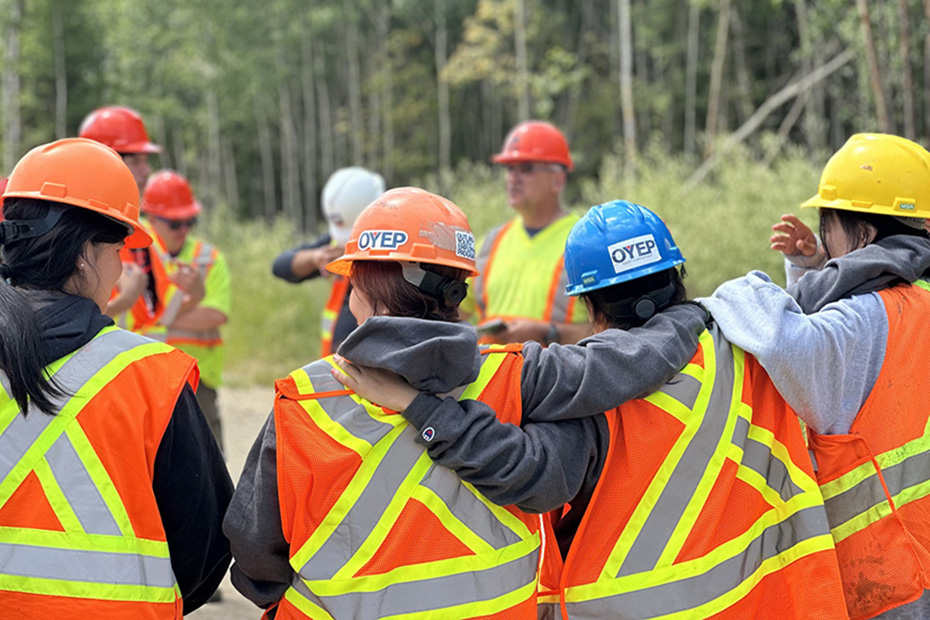
What began in 2000 as a small initiative supporting the forestry sector in Northwestern Ontario has evolved into a nationwide movement. For 25 years, OYEP, the flagship program of the Dexterra Community Initiatives not-for-profit, has empowered Indigenous youth by providing skills, opportunities and pathways to success. At its heart, the program is about more than training – it’s about friendships forged in the wilderness, challenges overcome, and brighter futures ahead.
For over two decades, the program has transformed the lives and career paths of more than 1,000 Indigenous youth from 188 communities across Canada. Now operating in four provinces with 15 different types of land-based training and employment opportunities, OYEP’s strength lies in its inclusive and culturally grounded approach – creating a safe environment where young people feel supported in both their personal growth and career development.
The program’s core model, a six-week paid work experience, has remained consistent because it delivers results. Participants earn high school credits, gain certifications, and build resumes that position them for future employment. Training ranges from first aid and driver’s license preparation to chainsaw operation, environmental monitoring, and mining safety. Youth also explore cultural teachings, such as medicinal plant use, caribou hide tufting, and drum-making, depending on the region.
As participants learn, they also give back. Since inception, OYEP youth have planted more than 2.7 million trees across Canada. In 2024 alone, participants planted 118,080 trees while also earning certificates in forest firefighting and other entry-level roles that directly support environmental stewardship.
Beyond fieldwork, students spend a week at a post-secondary institution to experience campus life. “They stay in dorms, eat in the cafeteria, and engage in STEM activities. For many, it’s their first time seeing themselves in that space, and it opens doors,” Milligan notes. Many graduates later pursue post-secondary degrees, including one alumnus now pursuing a career in environmental law.
A unique strength of OYEP is its ability to build lasting networks. Alumni often return as mentors through the Indigenous Youth Leadership program, where they develop management and teaching skills by guiding their peers. Today, half of OYEP’s field management team is Indigenous, with many being graduates of the program themselves.
Support for youth does not end after the six-week duration of the program. “Part of our job is to keep in touch and see what they’re up to,” Milligan explains. “We provide references for jobs, help with grant applications, or anything else they might need help navigating.”
For partners like RBC, OYEP represents both impact and alignment. “OYEP delivers in-demand skills while helping to prepare Indigenous youth for the next step of their career journey through connections with professionals and key industry leaders,” shares Vishan Persaud, Director of Sustainability & Impact at RBC.
RBC’s multi-year investment has provided critical stability to the program. “RBC is one of our multi-year funding agreements, which really shows their commitment in both their funding structure and dedication to the program,” Milligan says. RBC employees also volunteer to deliver financial literacy training at the camps, helping participants – many in their first jobs – open bank accounts and manage paycheques. These skills set them up for financial independence as they transition into adulthood.
For RBC, involvement moves beyond funding. “Through OYEP, our employees – especially those in Royal Eagles, our Indigenous employee resource group – can connect directly with youth in rural and remote communities,” Persaud notes. “These experiences show the human impact of reconciliation and community investment.”
Demand for OYEP grows each year, with applications often outpacing available spaces. Word of mouth and social media play a significant role as youth share their experiences online, inspiring friends and relatives to apply. Some even return years later as parents, encouraging their children to participate.
For Milligan, the greatest measure of success is not just the certificates earned, or trees planted, but the personal growth witnessed. “We’re creating a space where students can flourish. It’s a chance to grow, try new things, and meet great people. OYEP is more than a job, it’s an opportunity to find what inspires you, develop relationships, and build skills that last a lifetime.”
From the first camp outside Thunder Bay to a nationwide movement, OYEP has proven itself a true seed of change. What starts as a summer of learning grows into a lifelong journey of opportunity, resilience, and leadership – ultimately touching the lives of not only youth, but their families and communities.
This article offers general information only and is not intended as legal, financial or other professional advice. A professional advisor should be consulted regarding your specific situation. While information presented is believed to be factual and current, its accuracy is not guaranteed and it should not be regarded as a complete analysis of the subject matter discussed. All expressions of opinion reflect the judgment of the author(s) as of the date of publication and are subject to change. No endorsement of any third parties or their advice, opinions, information, products or services is expressly given or implied by Royal Bank of Canada or its affiliates.