简体中文
简体中文

Young Canadians have many things they are passionate about – including giving back – but they don’t always have the means to provide any financial support. When they can donate, however, they jump at the opportunity.
This is proving to be the case again for students who helped donate to charities through RBC’s most recent “Get $100, Give $100” initiative, which wrapped up on January 31, 2025.
The concept is a simple one, but it is having a big impact. When young Canadians open an RBC Advantage Banking account for students, RBC not only starts them off by contributing $100 to their account – to spend as they wish – but also gives them a way to participate in donating a further $100, which RBC does on their behalf, toward one of the annual charities which take part in Get Give.
The success of Get Give over the years has led to more than $1.75 million in donations to a selection of charities from the vast number of organizations that RBC supports each year – funds that are over and above RBC’s existing commitments to these organizations.
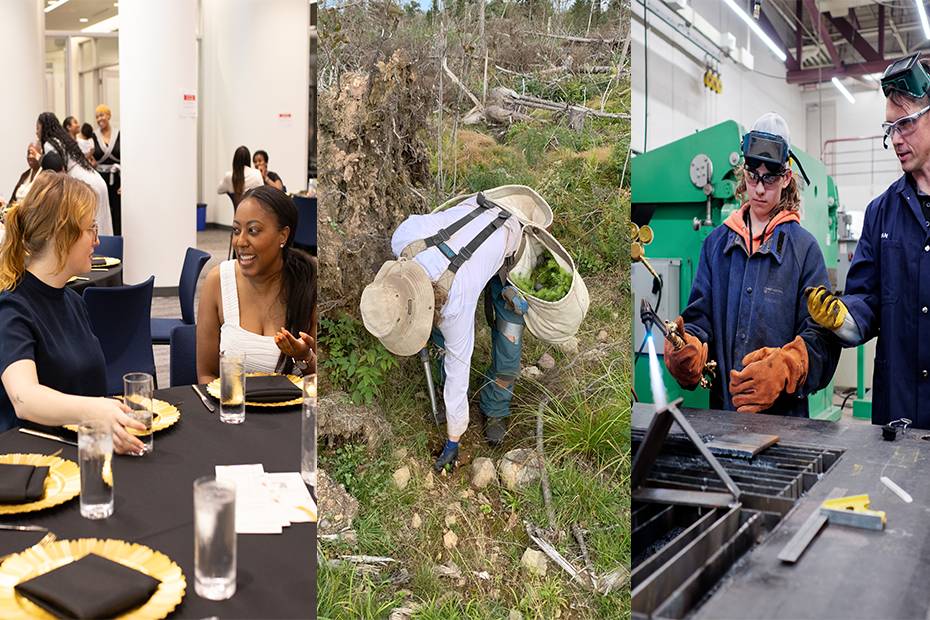 Left to right: Connecting to improve the health and wellbeing of Black communities (Black Health Alliance. Photo credit: Maame Obeng); planting trees to grow better places to live (Photo courtesy of Tree Canada); building work readiness skills (Junior Achievement Canada. Photo credit: Jonathan Lao).
Three of the charities benefiting from donations through the most recent Get Give initiative are Black Health Alliance, Junior Achievement Canada and Tree Canada, which respectively strive to make a positive impact in the key areas of health and wellbeing, financial education and entrepreneurship, and reforestation to address climate change.
Black Health Alliance: Working together to improve the health and wellbeing of Black communities
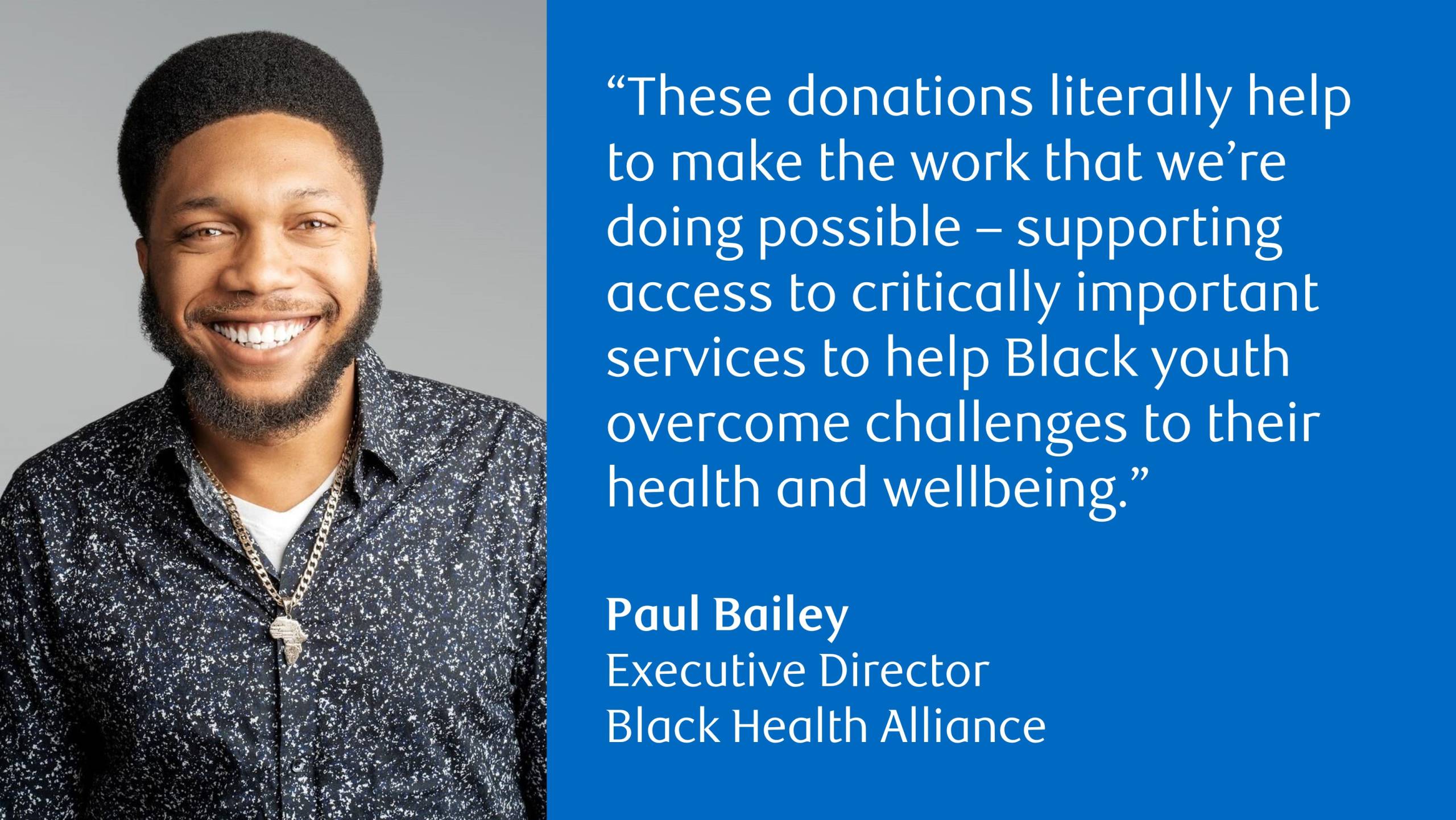
Black Health Alliance is a small, community-led charity. This organization doesn’t deliver frontline services. Instead, as Executive Director Paul Bailey explains, Black Health Alliance works with community members and organizations to seed and support solutions that have the potential to support increased access to quality health services for Black youth and their families.
As one example: Black Health Alliance recently made it possible for 27 more Black clinicians to be placed into communities across Ontario. Bailey estimates this translates into up to 50 more Black young people per clinician having the opportunity to feel seen, heard and supported close to home, by someone who understands their experiences.
“Access isn’t just about the ability for someone to be there. If a clinician doesn’t understand that racism or discrimination can be part of what is underlying your depression or anxiety, that’s a barrier to effective service,” says Bailey. “We want to help ensure that everyone who comes through the door feels fully supported in their journey toward healing.”
Junior Achievement Canada: Preparing the next generation to realize their potential
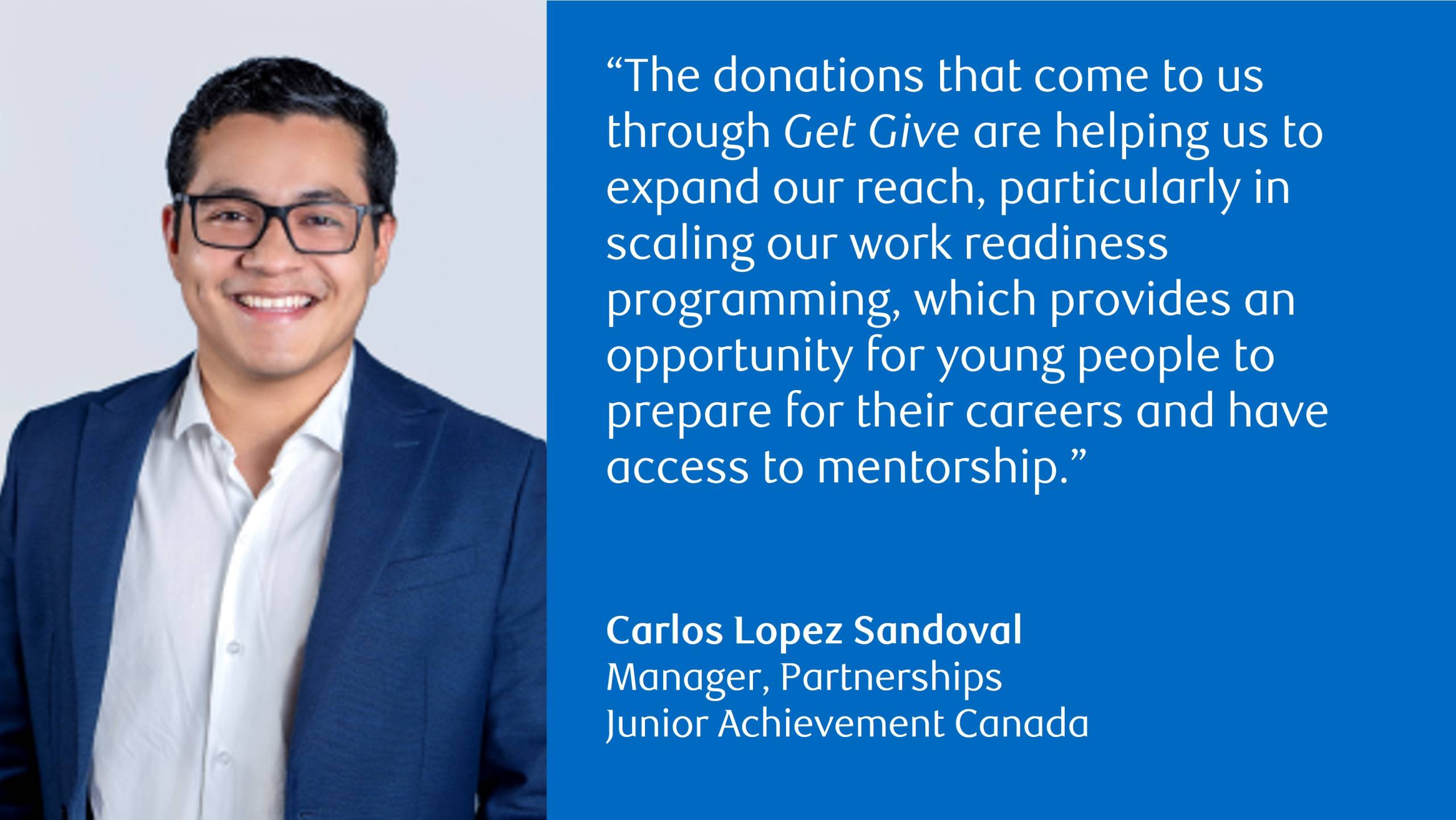
Junior Achievement provides in-person work readiness experiences through their World of Choices programming and their Skilled Trade Summits, which focus on inspiring young people to explore potential career pathways in different industries, with the support of mentors who come from a wide range of professional backgrounds.
“We want students to see all the options they have for where they can go next, after they finish their schooling,” says Carlos Lopez Sandoval, Manager, Partnerships, Junior Achievement Canada. “And with the help of donations from Get Give, we are bringing our Work Readiness programming to more underserved communities across Canada, to try to ensure no young person is left behind.”
Youth choosing to support other youth to succeed is also part of the mindset Junior Achievement is trying to cultivate – a collective empowerment and the sense of collaboration.
“At the end of the day, we know we are making a difference to a young person’s life, whether we see it directly or not. And it doesn’t matter how small our contribution is. We’re giving strength to young people and making them more resilient,” adds Lopez Sandoval.
Tree Canada: Growing better places to live
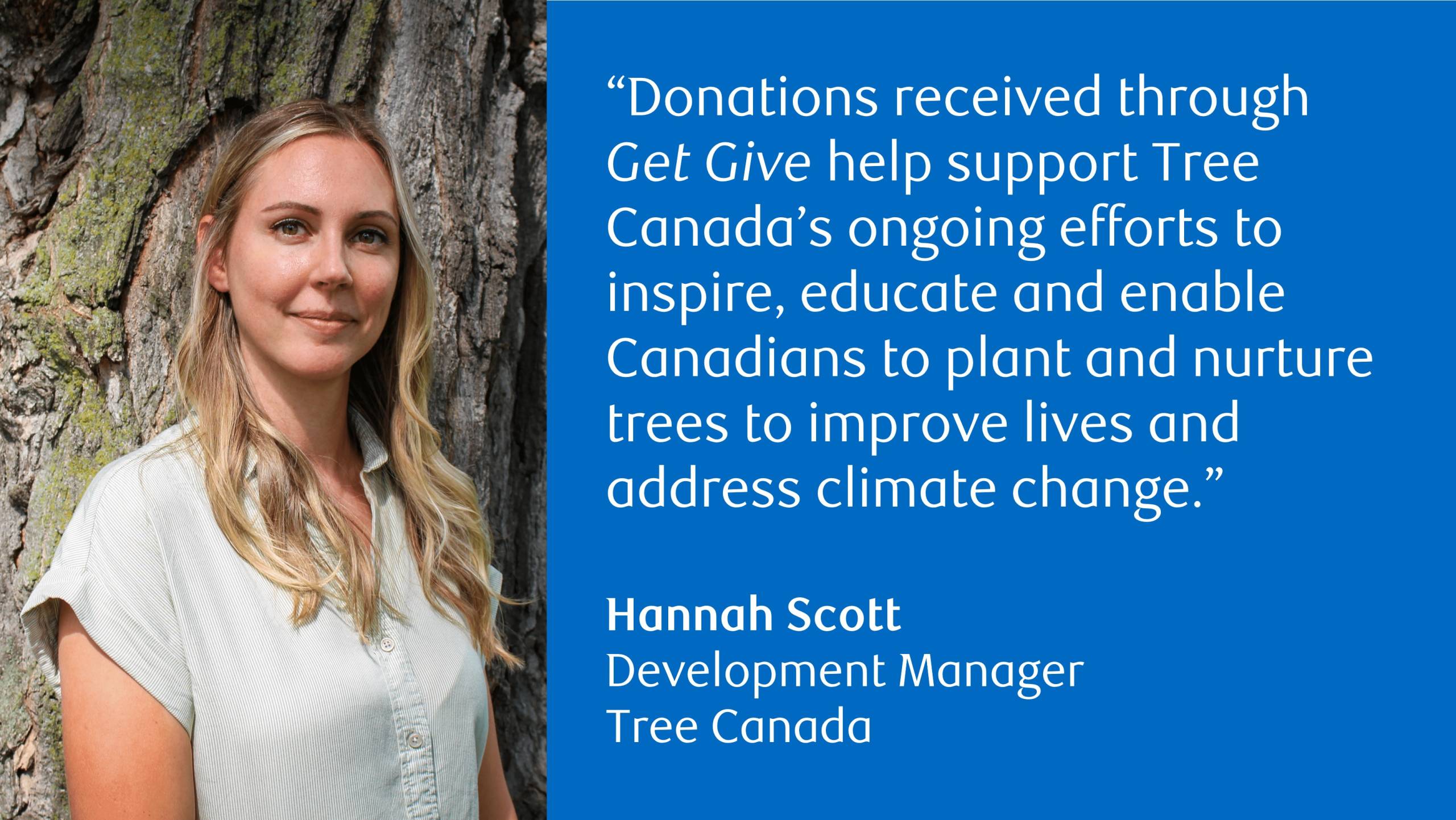
Tree Canada helps grow resilient ecosystems and healthier, greener communities across the country by planting millions of trees each year in rural and urban environments, in collaboration with all levels of government, the urban forestry sector, business partners and community groups.
From planting trees on school grounds and First Nations’ lands, to restoring forests in areas affected by wildfires or insect outbreaks, each project is tailored to meet local ecosystem and community needs.
“We know young Canadians are the future of our country and we encourage them to support the causes that are important to them however they can,” says Hannah Scott, Development Manager, Tree Canada. “Through Get Give, this can be with a financial donation, but other times it may be through donating your time, expertise or passion. It doesn’t matter how you get involved, just that you do, because your generation has the opportunity to shape the future for generations to come.”
For RBC, Get Give is a natural extension of the bank’s ongoing commitment to Canadian youth. “The passion young Canadians have about supporting causes they care about continues to inspire us to find ways to help them make a difference,” says Sonia Whiteson, Senior Vice President, Marketing, Personal Banking at RBC. “We’re so proud to be part of the positive impact young people are having on our communities through their Get Give choices.”
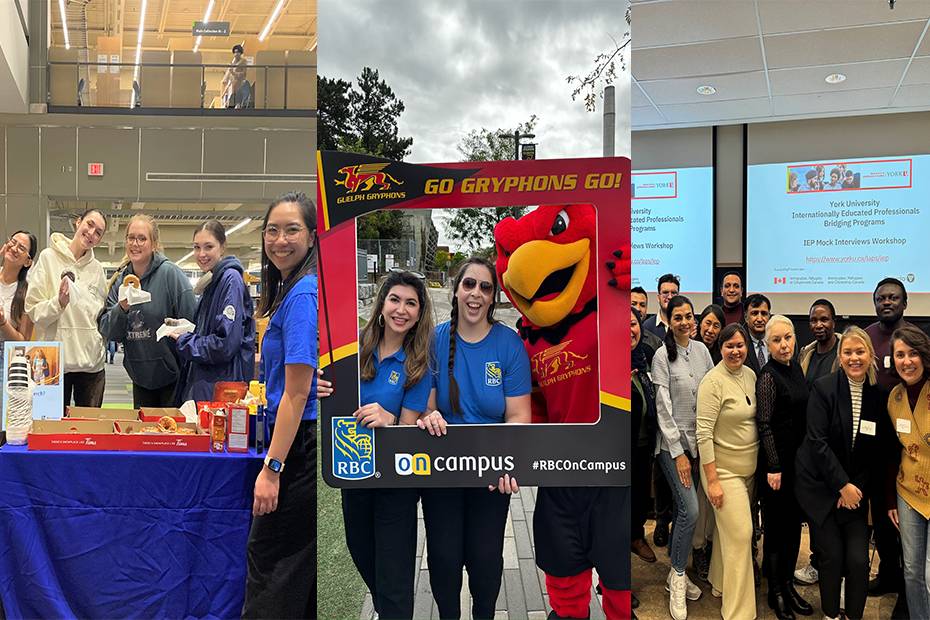 Left to right: RBC OnCampus teams connecting with students and communities at Red Deer Polytechnic (Alberta), Guelph University (Ontario) and York University (Ontario).
Reinforcing Canada’s ‘culture of giving’
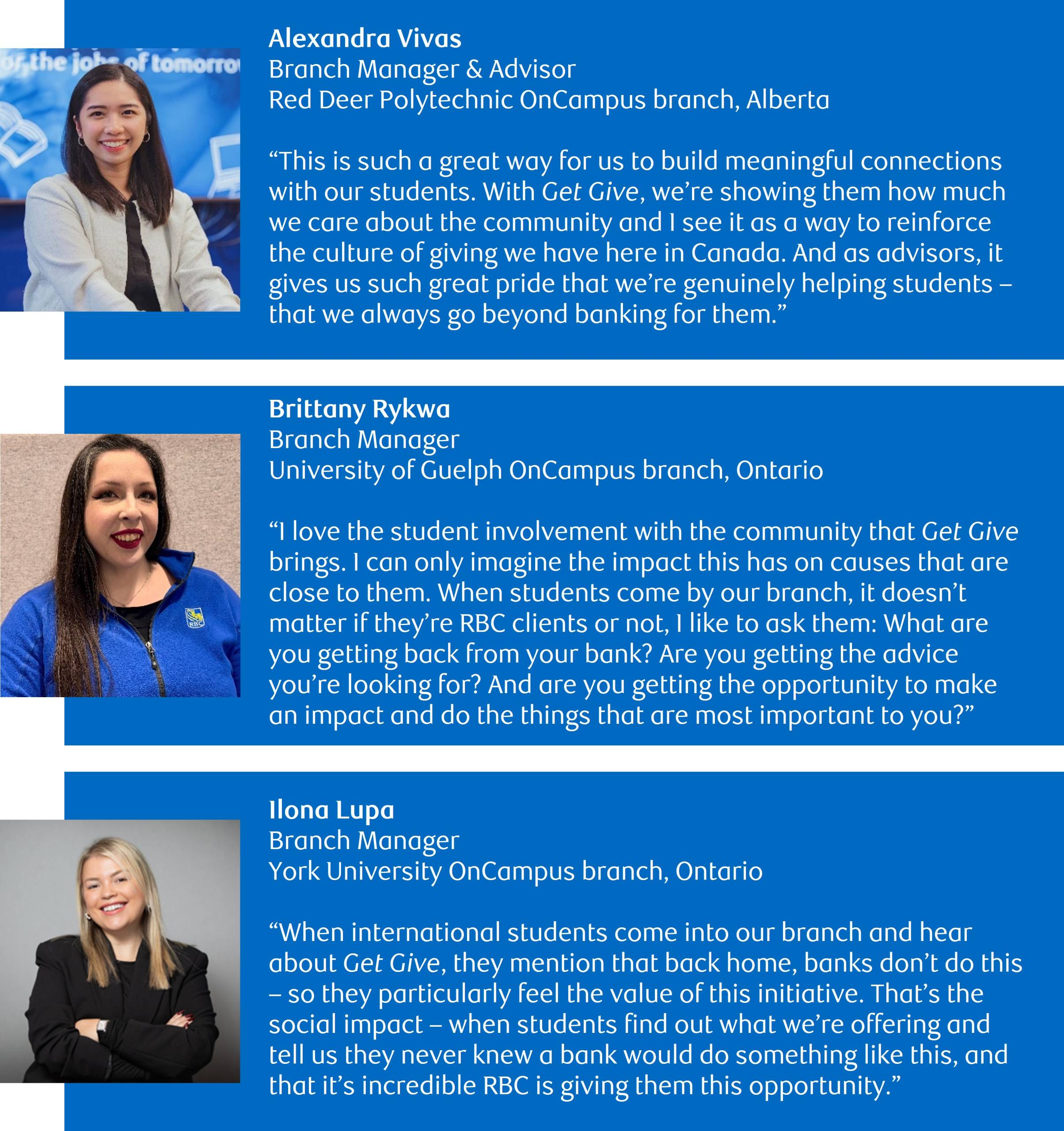
Below, three of RBC’s OnCampus branch staff comment about how students at universities and colleges across the country are responding to RBC’s Get Give initiative.
RBC’s Purpose Framework – Ideas for People and PlanetTM – outlines how RBC will do its part to help address societal challenges as well as engage others to be part of solutions. For more information, please visit Community Investments – Canada.
This article offers general information only and is not intended as legal, financial or other professional advice. A professional advisor should be consulted regarding your specific situation. While information presented is believed to be factual and current, its accuracy is not guaranteed and it should not be regarded as a complete analysis of the subject matter discussed. All expressions of opinion reflect the judgment of the author(s) as of the date of publication and are subject to change. No endorsement of any third parties or their advice, opinions, information, products or services is expressly given or implied by Royal Bank of Canada or its affiliates.