简体中文
简体中文
This year’s A Chosen Journey: RBC Indigenous Partnership Report is a celebration of the promise, excellence and talent in Indigenous communities, the impact organizations, communities and community members are making and the power of teamwork. From the forests to the velodrome to the Arctic Circle and everywhere in between, our community partners are finding new ways of winning and protecting traditional ways of being. This story is an excerpt from this report.
“It’s a long time in coming. I feel good that we’re providing a much-needed service in the city. It’s an honour for myself and some of my staff to be able to usher this initiative into fruition and it’s been really good for all of us. A lot of our people are going to benefit from and have already benefited from having this ceremony site in the City of Edmonton,” reflects Clayton Kootenay, Chief Executive Officer of the Indigenous Knowledge & Wisdom Centre, on the long-awaited opening of kihcihkaw askî, which means “This place here is Sacred” in Cree. Kootenay is a Cree man from Alexander First Nation.
“As an act of reconciliation with the City of Edmonton, I think it’s a really positive step in building a longer term relationship with our people,” Kootenay remarks, reflecting on the progress that has been made, with a lot of effort on all sides, in the nearly two decades since the first proposal for a permanent site for Indigenous cultural events. One of the first designated urban Indigenous ceremonial grounds in Canada, the facility serves the 80,000 First Nations, Métis and Inuit people in the Edmonton area. The ceremonial grounds are owned by the City of Edmonton and operated by the Indigenous Knowledge & Wisdom Centre (IKWC) under a five-year agreement.
As part of the National Day for Truth and Reconciliation, RBC partnered with IKWC to bring clients and employees to the site to raise awareness, provide learning opportunities and mark the occasion. On the ceremonial grounds, invited guests from RBC participated in a pipe ceremony and also attended cultural awareness workshops.
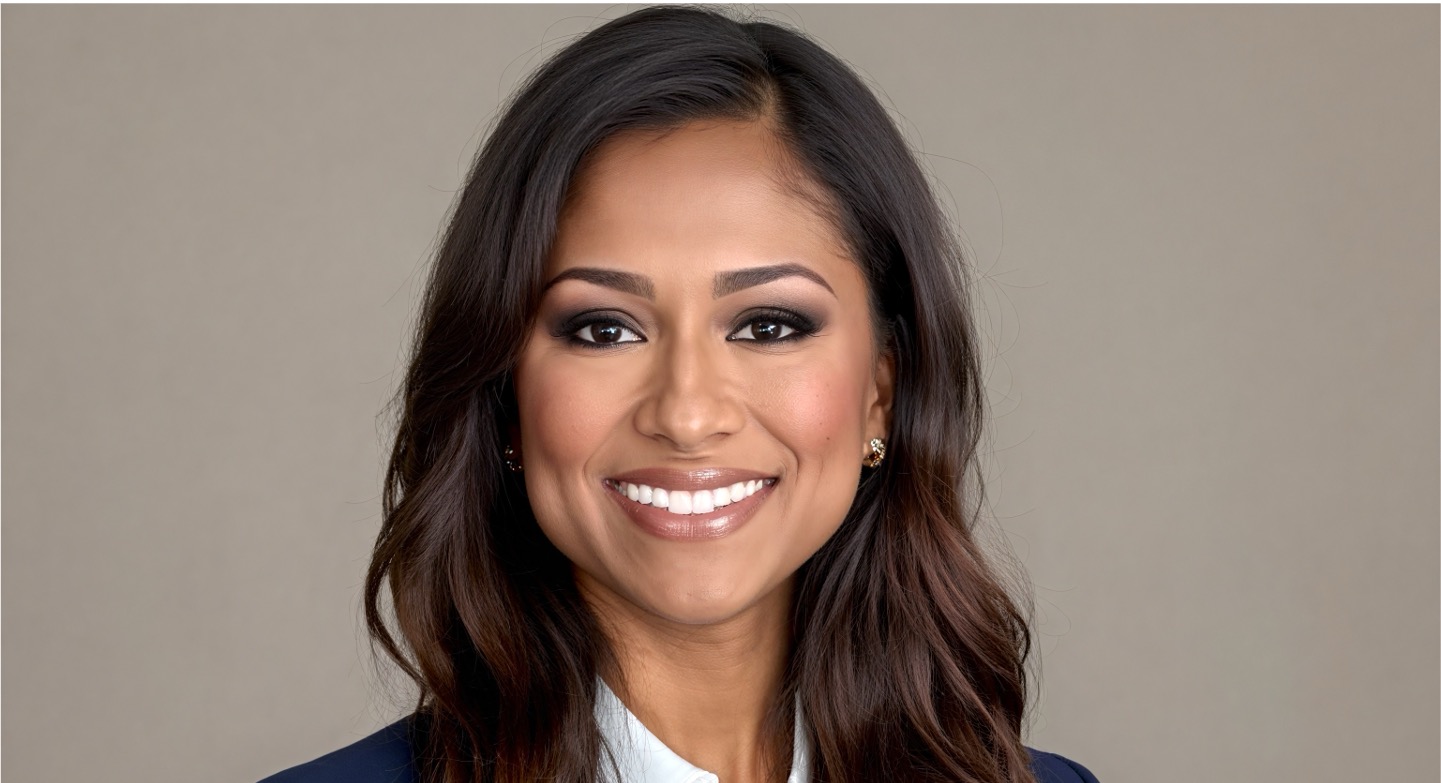
It’s a privilege to be able to support such a significant space for Indigenous people and communities to gather for spiritual and ceremonial events,” says Harman Dhaliwal, Relationship Manager, RBC Commercial Financial Services.
“We acknowledge the importance of a space like this where diverse First Nations cultures can practice the transfer of sacred knowledge and wisdom.”
Kootenay acknowledges RBC’s commitment to partnership with the IKWC and the team’s willingness to work together and be flexible. The gathering was originally planned to take place in June for National Indigenous Peoples’ Day, but weeks of rain forced a change of plans and a delay to dryer days in the fall.
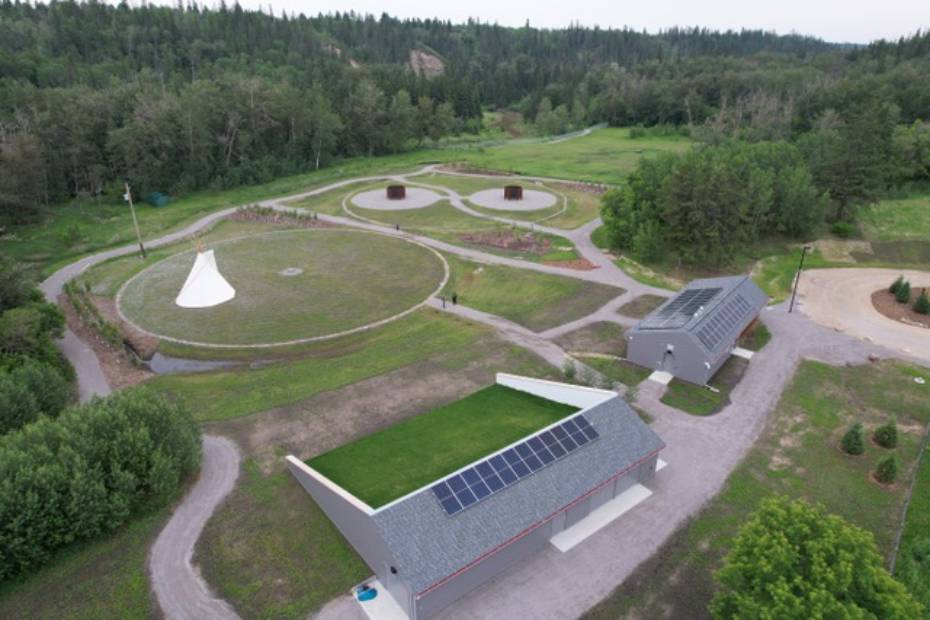
The grounds, which can accommodate 100 people at any time, include two areas for sweat lodges and two permanent fire enclosures for heating the ceremonial rocks. There’s room for tipis and a permanent feast firepit, and the vision for the space is that it will host cultural camps, talking circles, ceremonies and opportunities for land-based learning. Powwows and other large cultural events won’t be held on the grounds, but a healing garden with public artwork is planned as part of a future development phase. The site was selected because of its longstanding history as a ceremonial site before it was a farm, and because of the rare ochre found there, which is used in ceremony.
In structuring service delivery, the IKWC is working to create agreements with over 60 local Indigenous organizations so they can access the grounds as affordably as possible. With limited space for such a large population, they are focused on providing quality over quantity of service. A council of elders oversees the project, and in the first year they are running a deficit while they determine how much it will cost to operate.
“A lot of people want and need the service. It’s so needed in our community in the City of Edmonton. There’s so much need for cultural ceremonial space,” Kootenay shares. He has a vision for a future where other urban communities can see similar services offered, and he hopes there is opportunity to build on the momentum they have gained so far. “We’re willing to work with like-minded people that want to do something to help out the Indigenous community,” he continues.
For centuries kihcihkaw askî — Sacred Land was a place to gather medicine before it was farmland. Now a place for urban Indigenous people to gather in ceremony, Kootenay knows just like the name says, “This place here is sacred,” and it will be for years to come. A positive step for a city to take towards building a relationship with Indigenous people, it’s also building community capacity for cultural activities, ceremony, healing, learning and growing together.
This article offers general information only and is not intended as legal, financial or other professional advice. A professional advisor should be consulted regarding your specific situation. While information presented is believed to be factual and current, its accuracy is not guaranteed and it should not be regarded as a complete analysis of the subject matter discussed. All expressions of opinion reflect the judgment of the author(s) as of the date of publication and are subject to change. No endorsement of any third parties or their advice, opinions, information, products or services is expressly given or implied by Royal Bank of Canada or its affiliates.